Wood Fences
Classic wood fencing that combines natural beauty, versatility, and proven performance for residential and commercial properties.
Why Choose Wood Fencing
Wood remains one of the most popular fencing materials for good reason. It offers a timeless appearance that complements virtually any property style, from traditional homes to modern designs. Wood fencing provides complete privacy, wind protection, and security while maintaining a natural aesthetic that many homeowners prefer over synthetic alternatives. The warm tones and organic texture of wood create an inviting atmosphere that enhances your outdoor living space.
Beyond appearance, wood fencing delivers practical advantages. It stands up well to our Georgia climate when properly installed and maintained. Wood naturally insulates against sound, making it excellent for reducing noise from roads or neighbors. It also allows for complete customization in height, style, and finish. Whether you want a simple privacy fence, decorative picket design, or custom pattern, wood accommodates your vision better than most other materials.
Cost effectiveness makes wood fencing attractive for many budgets. Initial installation typically costs less than vinyl or composite alternatives, and wood remains easily repairable if damage occurs. You can replace individual boards without affecting the entire fence structure. With proper care including periodic staining or sealing, a quality wood fence serves your property reliably for 15 to 20 years or longer. Many of our Fort Eisenhower customers choose wood for its proven performance and natural beauty, a preference shared by any reputable wood fence company working in the region.
Wood Types and Style Options
Choosing the right wood type significantly impacts your fence performance, appearance, and maintenance requirements. We work with several wood species that perform well in our climate, each offering distinct characteristics that suit different needs and preferences.
Popular Wood Species
- •Pressure-Treated Pine: The most economical option, pressure-treated pine resists rot and insects through chemical treatment. It provides excellent value and durability, typically lasting 15 to 20 years with proper maintenance. The wood accepts stain well, allowing you to customize color.
- •Cedar: Naturally resistant to rot and insects without chemical treatment, cedar offers beautiful color variation and pleasant aroma. It costs more than treated pine but requires less maintenance and weathers to an attractive silver-gray if left unstained. Cedar typically lasts 20 to 25 years.
- •Redwood: Premium choice with exceptional natural durability and rich color. Redwood resists warping, shrinking, and insect damage better than most woods. It represents a higher investment but delivers superior longevity and appearance for those seeking the best wood fencing available.
- •Cypress: Southern wood species with natural oils that resist moisture and decay. Cypress combines affordability with good durability and works particularly well in humid climates. It offers a middle ground between treated pine and cedar in terms of cost and performance.
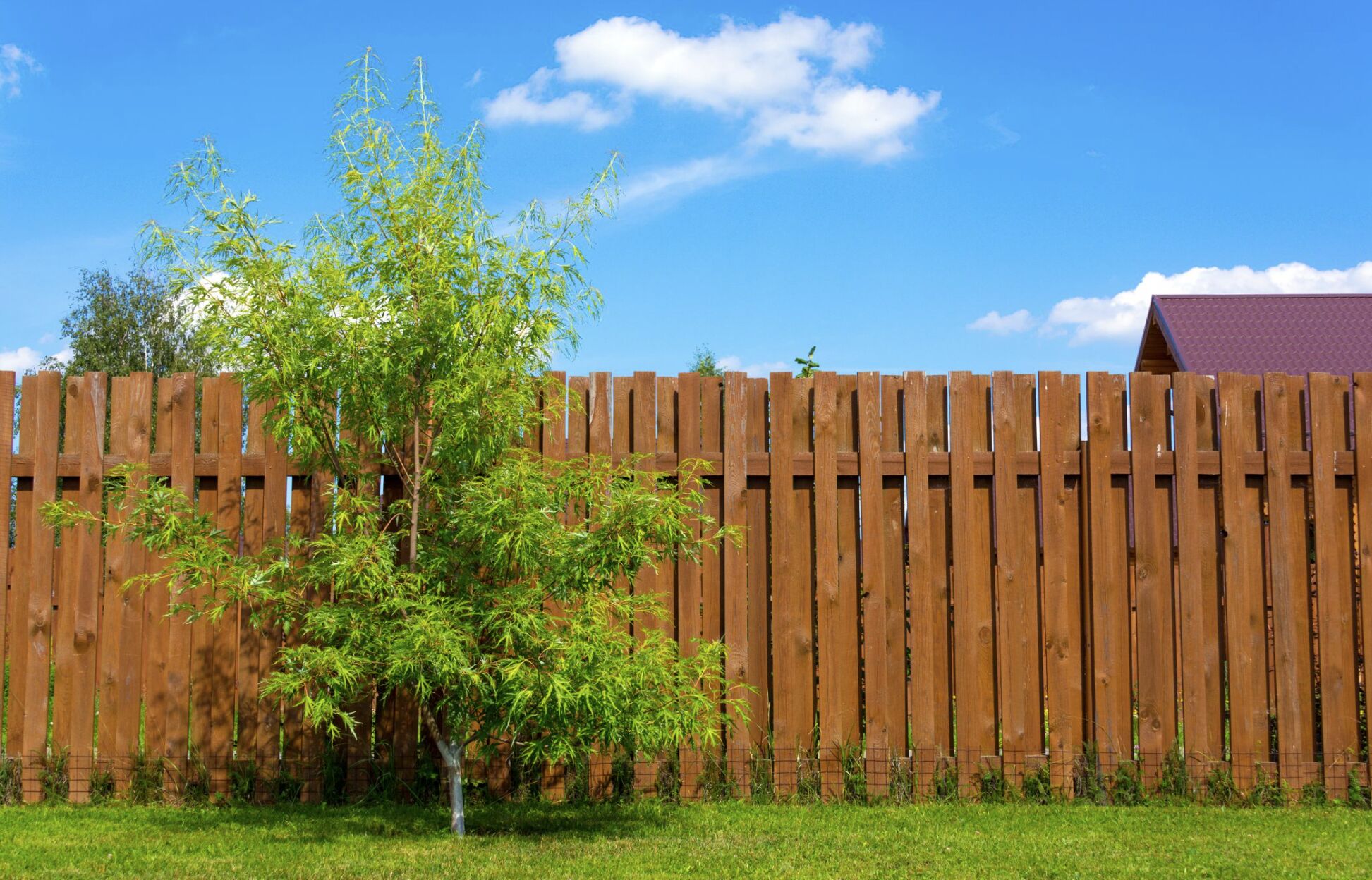
Style options range from solid privacy panels to decorative picket designs. Popular styles include board-on-board for complete privacy with visual interest, traditional picket for front yards and decorative purposes, horizontal slat for modern aesthetics, and shadowbox that looks attractive from both sides. We help you select the wood type and style that matches your goals, budget, and property characteristics. During your consultation, we show you samples and discuss how each option performs in real-world conditions.
Maintenance and Long-Term Care
Wood fencing requires periodic maintenance to look its best and reach its full lifespan potential. The good news is that proper care is straightforward and manageable for most homeowners. Understanding what your fence needs and when it needs it helps you protect your investment and keep your fence looking great year after year.
The primary maintenance task involves applying protective finish every two to three years. This can be transparent sealant that shows the natural wood grain, semi-transparent stain that adds color while revealing wood texture, or solid stain that provides opaque coverage similar to paint. The finish you choose depends on your aesthetic preferences and how much maintenance you want to perform. Solid stains last longer between applications but hide the natural wood character.
Between finish applications, simple cleaning maintains appearance. Spray your fence with a garden hose annually to remove dirt and organic debris. For stubborn stains or mildew, use a mild detergent solution and soft brush. Avoid pressure washing at high settings, which can damage wood fibers and force water into the grain where it accelerates rot. Keep vegetation trimmed away from your fence to promote air circulation and prevent moisture buildup against the wood.
Professional fence repair services address damage quickly before it spreads. Check your fence periodically for loose boards, damaged posts, or hardware that needs attention. Small problems stay small when you address them promptly. We provide maintenance guidance with every fence installation and remain available to answer questions or handle repairs as your fence ages. Many customers appreciate having a reliable contractor they can call when maintenance questions arise.
Frequently Asked Questions
Ready for a Beautiful Wood Fence?
Contact us today for a free consultation and quote on your wood fencing project.
(706) 460-1478